Thinking about buying or selling a country home in Templeton and wondering how the appraisal will treat wells, barns, acreage, or even a small vineyard? You are not alone. Rural appraisals look at more than bedrooms and square footage, and the details can influence value and loan approval. In this guide, you will learn what appraisers evaluate in Templeton, what documents help, and how to navigate common hurdles. Let’s dive in.
Appraisals for Templeton country homes
An appraisal is a licensed appraiser’s opinion of market value for a specific date and purpose. Reports must follow national appraisal standards (USPAP) and California licensing rules, which protect consumers and lenders and shape how rural features are analyzed. You can expect the appraiser to consider both the residence and the entire site, including utilities, access, outbuildings, and any income-producing elements. The goal is a credible, well-supported value that reflects the market at that moment in time.
Valuation methods you can expect
The three standard approaches
Most country properties rely on the sales comparison approach, which compares your property to recent sales and adjusts for differences. Appraisers may also use the cost approach to reflect what it would cost to replace improvements, especially for newer or specialized buildings. When a property, or part of it, produces marketable income, the income approach can apply, such as for a producing vineyard with documented revenue. Appraisers select the methods that the data supports and explain their choices in the report.
Why rural competency matters
Rural and small‑acreage properties can be complex. When close comparable sales are limited, appraisers expand the search area or time frame and must justify their adjustments and methodology. Lenders and reviewers often expect an appraiser with acreage or agricultural experience on these assignments to ensure the analysis fits the local market and property type.
Templeton factors that shape value
Market snapshot and comparables
Templeton sits within San Luis Obispo County’s higher‑end small‑acreage segment. According to the SLO County Association of REALTORS Q4 2024 Market Stats published January 10, 2025, Templeton posted one of the stronger price profiles among tracked areas, which affects how appraisers select and adjust comparable sales. Because local medians shift, your appraiser will use the latest data and clearly explain any time or distance adjustments.
Wine country and the Templeton Gap
Templeton is within the Paso Robles American Viticultural Area, including the Templeton Gap District. Appraisers pay attention to planted acreage, appellation, and grape quality because these details influence buyer demand. Where vines have a verifiable income stream, the report may analyze vineyard value separately or incorporate income data to support the overall conclusion.
Water and sewer: TCSD vs well and septic
Some parcels connect to Templeton Community Services District for water and sewer, while many small‑acreage homes use private wells and septic systems. Whether a home is on public services or private systems can influence lender conditions and marketability. If the property is or could be served by TCSD, a will‑serve or availability letter is commonly requested to verify capacity and service details.
Groundwater and future regulation
Properties that rely on wells are affected by the Paso Robles Subbasin groundwater planning and any related management actions. Appraisers consider current and foreseeable regulatory constraints when analyzing highest and best use, well reliability, and potential operating costs. Documented changes or known risks can influence marketability.
Wildfire and insurance considerations
Parts of San Luis Obispo County fall within mapped Fire Hazard Severity Zones. If a property is in a High or Very High zone, buyers and lenders may factor in defensible‑space requirements, potential hardening costs, and insurance availability. Appraisers note the hazard designation and reflect any market reaction they can support with data.
Williamson Act land‑conservation contracts
Large areas of the county are under Williamson Act contracts that restrict development and may affect assessed values and buyer expectations. Appraisers report contract status because it guides development potential and highest and best use, which then affects land value.
What appraisers look for on Templeton acreage
Feature: Private wells and required testing
Appraisers identify whether the water supply is public or private and note any documentation available. For private wells, some loan programs require water quality and flow tests that meet potable standards, along with well construction records. Your appraiser may call out missing or outdated well information that could delay underwriting.
Feature: Septic systems and permits
Septic systems must be appropriately sized, permitted, and maintained for the home’s occupancy. Appraisers and lenders look for documentation that the system is functioning and permitted under local rules. Unpermitted or failing systems can reduce marketability and trigger repair conditions.
Feature: Outbuildings, barns, and shops
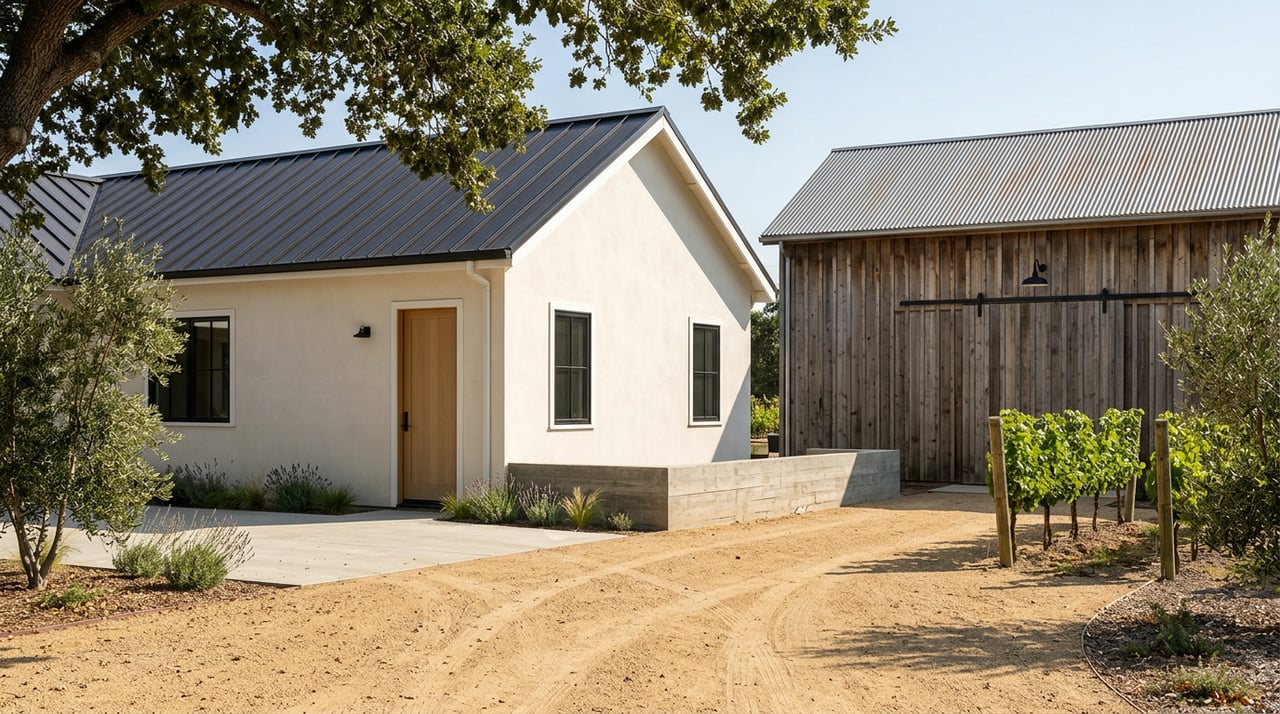
Detached buildings are valued as other improvements rather than living area. The appraiser evaluates their contributory value based on condition, permitted status, function, and what similar buyers paid for like features in comparable sales. Clear records and photos help the appraiser match your improvements to market evidence.
Feature: Vineyards and farm infrastructure
Producing vineyards often require a hybrid analysis. The appraiser may consider the real estate component with sales and cost approaches, and use income data when there is a documented earnings history. Distinguishing real estate from business assets like equipment or inventory is key to a credible value.
Feature: Private roads and legal access
Appraisers verify legal access and note road conditions and maintenance. If access is via a private road, lenders often look for recorded easements and road maintenance agreements. Missing documentation can slow a loan or increase underwriting scrutiny.
Common valuation challenges and how pros address them
Few nearby comparables
In rural markets, similar sales can be limited. Appraisers widen the search area and time frame, then explain their adjustments and why selected sales remain comparable. Greater distance or older sales usually mean more detailed commentary for lender review.
Separating real estate and business value
When a property includes an operation, such as a producing vineyard or income‑generating facility, the appraiser works to isolate the real estate value from enterprise value. Production records, leases, and improvement invoices help support an allocation the market recognizes. Appraisers with agricultural training are often preferred for these assignments.
Water reliability and regulation
Groundwater planning can influence perceptions of long‑term well performance and future pumping costs. Appraisers consider known constraints and note any marketability impacts supported by data. If the market shows resistance due to documented changes, that risk can be reflected in the analysis.
Wildfire, hardening, and insurance
If a property is in a higher fire‑hazard area, buyers may weigh the cost of mitigation and insurance availability. Appraisers capture these market reactions when supported by comparable sales or paired data. Clear defensible‑space and hardening documentation can help reduce uncertainty.
Documents to gather before the appraisal
Having a clean, complete packet speeds underwriting and can prevent avoidable conditions. Provide digital copies when possible.
- Parcel map or boundary survey identifying improvements and usable acreage.
- Recorded deed and legal description, plus any recorded easements.
- Building permits and finals for the home and major outbuildings. If you lack records, contact the County for guidance on next steps.
- Septic records, recent pump or repair invoices, and the County’s existing septic verification form.
- Well permit logs and construction report if available, plus any recent water quality and flow tests. If applicable, include a Templeton CSD will‑serve or availability letter.
- For vineyards or other income uses: recent production records, contracts or leases, and invoices for trellis or irrigation improvements.
- A simple floor plan and site plan with dimensions, plus photos and a short description of each outbuilding, including utilities and permit status.
- Evidence of a Williamson Act contract if applicable, including recent correspondence or filings.
If the appraisal comes in low
Most lenders now support a Reconsideration of Value process that allows you to challenge factual errors and provide stronger market evidence. If you receive a low value, start by confirming property facts in the report, then assemble better comparables and any missing documentation. Submit a concise ROV packet through your lender within the timelines they provide. Depending on the loan type, you may also discuss a price adjustment, additional cash to close, seller credits, or ordering a lender‑approved second opinion.
Pre‑listing or private appraisal on unique acreage
For highly unique small‑acreage or vineyard properties, a pre‑listing or private appraisal by a local rural specialist can reduce pricing risk. This can also surface permit or repair items early, and give the eventual lender’s appraiser a stronger MLS package to reference. Sellers and buyers benefit from clarity on how the market is likely to treat non‑standard features.
Final reminders
An appraisal is a snapshot of value at a point in time. Market conditions, groundwater planning, wildfire maps, and local forms or fees change, and appraisers must reflect the most current information available. Before you rely on any specific detail, verify the latest MLS data, County resources, and TCSD service information. If you have questions, start early and line up your documents so your appraiser can deliver a clean, credible report.
Ready to talk through your property’s specifics or prep for an upcoming appraisal? Reach out to Joe Belmonte for local, practical guidance that fits Templeton’s country market.
FAQs
How do Templeton appraisals differ from suburban ones?
- Appraisers analyze the home plus acreage, wells or public water, septic systems, access, outbuildings, and any income uses, which adds more site research and documentation than a typical tract home.
How are barns and shops counted in value?
- Detached buildings are not part of living area; appraisers assign contributory value based on condition, utility, permits, and comparable sales that feature similar improvements.
How does a producing vineyard affect my appraisal?
- If vines generate documented income, the appraiser may incorporate an income analysis alongside sales and cost approaches, while keeping business assets separate from real estate value.
What should I prepare for a well‑and‑septic property?
- Provide well logs and any recent water test results, septic permits and the County’s septic verification form, plus site plans and building permits to minimize lender conditions.
What if my appraisal is lower than the purchase price?
- Confirm factual errors, assemble stronger comparable sales, and submit a Reconsideration of Value through your lender, then explore options like price changes, credits, or a second opinion.
Do Williamson Act contracts help or hurt value?
- They can reduce assessed taxes but limit development potential; appraisers report contract status because it guides highest and best use and influences land value where supported by market evidence.
Sources cited in this guide include national appraisal standards and local programs: Appraisal Institute guidance on methods and practice; SLO County Association of REALTORS Q4 2024 Market Stats; Templeton Community Services District service information; Paso Robles Subbasin groundwater planning; CAL FIRE hazard mapping; SLO County Well Program; FHA well and potable‑water guidance; SLO County OWTS LAMP FAQs; the County’s existing septic verification form; and the Williamson Act application package.
Key references for deeper reading:
- Appraisal methods and standards: Appraisal Institute guide notes
- Market context: SLO County Association of REALTORS Q4 2024 Market Stats
- AVA context: Templeton Gap District within Paso Robles AVA
- Water/sewer: Templeton CSD will‑serve and availability
- Groundwater: Paso Subbasin groundwater planning background
- Wildfire: CAL FIRE Fire Hazard Severity Zone map for SLO County
- Wells: SLO County Well Program
- FHA well guidance: HUD Handbook 4000.1
- Septic rules: SLO County OWTS LAMP FAQs
- Septic form: Existing Septic Verification Form (BLD‑1019)
- Williamson Act: County application package and rules
If you would like help tailoring these steps to your property or want a second set of eyes on your prep packet, connect with Joe Belmonte for a friendly, local consult.