Thinking about trading Bay Area traffic for Central Coast sunshine? You are not alone. Many buyers are looking for more space, easier living, and a strong community while keeping ties to Bay Area jobs. This guide gives you a clear, numbers‑first look at what to expect in San Luis Obispo, from housing costs and neighborhoods to commute options, schools, and a step‑by‑step relocation checklist. Let’s dive in.
Why choose San Luis Obispo
San Luis Obispo offers a slower pace, access to beaches and wine country, and a compact, walkable downtown with weekly community events like the Thursday night farmers’ market on Higuera Street. You can usually get a shorter local commute and more day‑to‑day convenience than in large metros. If you work remotely or visit the office only occasionally, SLO often balances cost, lifestyle, and access well.
Home prices and costs
Today’s snapshot
As of January 2026, typical home values in the city of San Luis Obispo are around $1.06 million based on Zillow’s ZHVI. In core Bay Area counties like San Francisco and Santa Clara, medians are generally north of $1.2 million. Rents in SLO commonly range from about $3,000 to $3,900 per month depending on unit size and timing near the university calendar.
Local market momentum has cooled from the pandemic peak. Inventory has improved modestly and days on market are longer than the tightest months, yet well‑located homes still command strong interest. Sellers retain leverage in sought‑after pockets near downtown and Cal Poly.
For carrying costs, California property taxes follow Proposition 13. In San Luis Obispo County the effective rate often lands near 1.03 to 1.20 percent of assessed value, plus local assessments. Review expected rates by address using a trusted tax guide and factor in higher insurance in some coastal or wildfire‑exposed areas. See this overview of county property taxes for context from an independent guide on San Luis Obispo property taxes (local property tax overview).
Example savings: two quick scenarios
Here is a simple illustration using the price points above with 20 percent down and a 30‑year fixed at 6.75 percent for principal and interest only. Actual rates and payments vary by lender and timing.
- Scenario A: SLO purchase at $1.06M → loan ≈ $848,000 → monthly P&I ≈ $5,500.
- Scenario B: Bay Area purchase at $1.20M → loan ≈ $960,000 → monthly P&I ≈ $6,225.
That is roughly a $725 monthly difference before taxes, insurance, and HOA. Your gap may be larger at higher Bay Area price points, or smaller if you target different neighborhoods in each market.
Neighborhoods and home styles
Downtown and Old Town
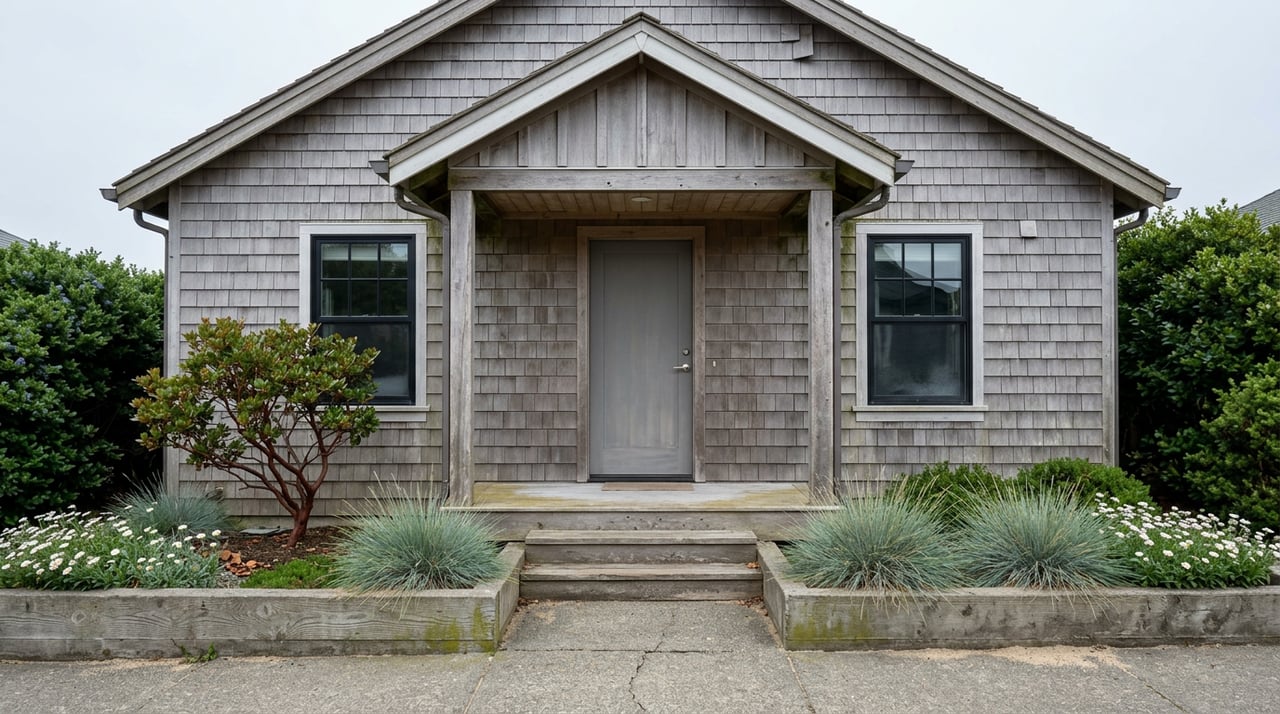
Downtown and the historic core offer walkability to shops, restaurants, and events like the Thursday farmers’ market. You will find older cottages, condos, and preserved Victorians and Craftsman bungalows within local historic districts. For a feel of protected resources and architectural styles, review the city’s historic resources information (historic resources overview).
Mill Street and nearby districts
Tree‑lined streets and period architecture such as Craftsman and Tudor Revival give these areas a classic feel. Parcels tend to be modest, and pricing reflects charm and proximity to services.
Foothills and view corridors
Homes in the hills and higher elevations often sit on larger lots and command higher prices, with quieter streets and views. If you want space and a more residential setting, these areas are worth a look.
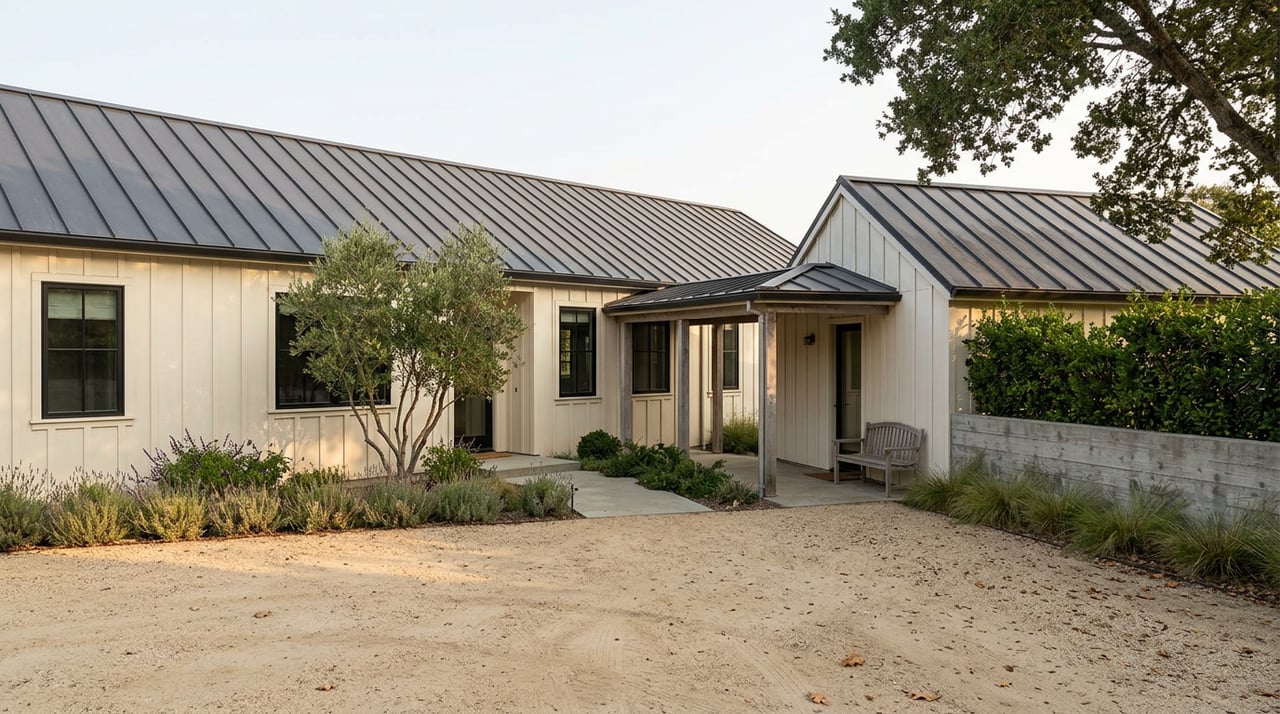
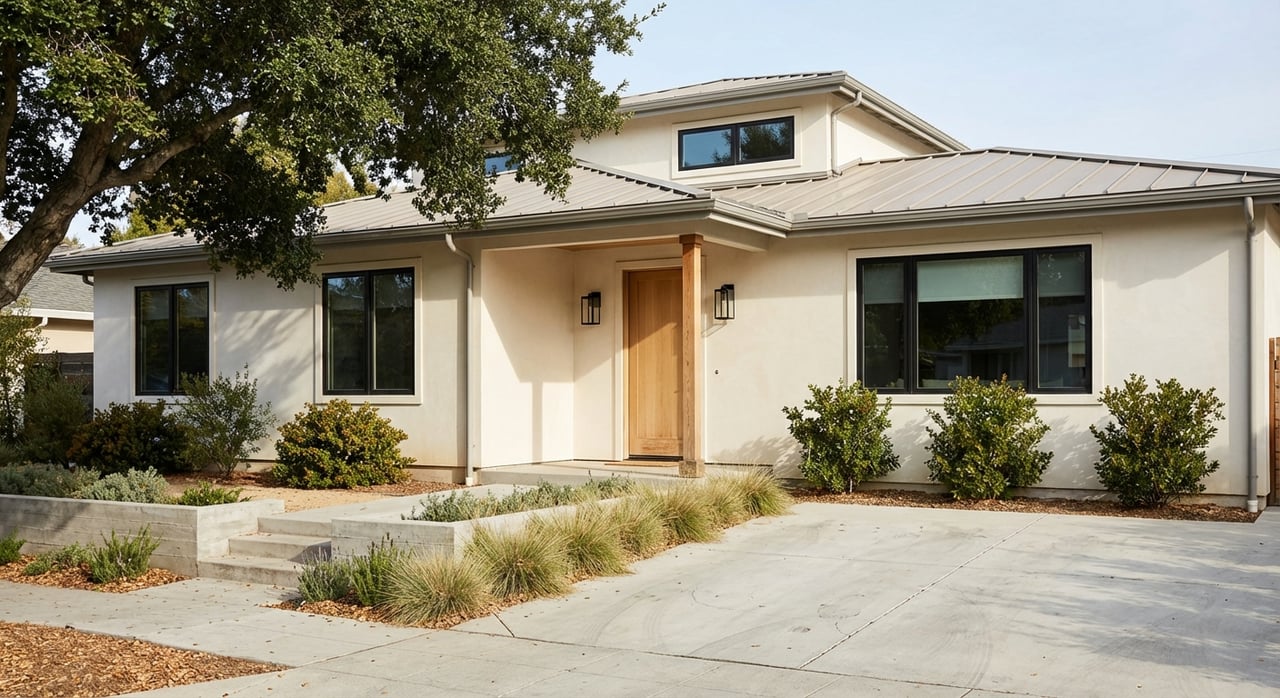
Across the city you will also see mid‑century ranch homes and Mediterranean or Spanish‑influenced designs, plus newer construction and ADUs. Cal Poly’s presence shapes demand near campus, which can tighten inventory for smaller single‑family homes.
Commute and remote‑work practicality
Local commute and Bay Area access
Within the city, the mean travel time to work is about 16.1 minutes, reflecting SLO’s compact footprint (city commute time). By comparison, San Francisco averages about 30.4 minutes and San Jose about 27.3 minutes. Occasional Bay Area trips are manageable, but daily long‑distance commuting is not typical.
- Driving distances: SLO to San Francisco is roughly 230 to 235 miles, or about 3.5 to 4 hours one way depending on route and traffic. SLO to San Jose is about 185 miles, often 2.5 to 3.5 hours (driving distance details). Travel times stretch on holiday weekends or in bad weather.
- Flights: San Luis Obispo County Regional Airport (SBP) offers nonstop service to key hubs, including SFO on certain schedules. This helps with single‑day meetings or quick trips north (SBP commercial service).
- Trains: Amtrak service connects SLO with Bay Area destinations. Schedules work better for occasional trips than daily commuting.
Internet and home office setup
Most neighborhoods have fixed high‑speed options. AT&T provides fiber in many parts of town and Spectrum cable is broadly available; availability varies by address. Confirm upload speeds and latency if you rely on heavy video or cloud workflows. You can start with AT&T’s address‑level fiber check (AT&T fiber availability). Some households add satellite redundancy in rural areas.
Schools and family services
San Luis Obispo sits within San Luis Coastal Unified School District. San Luis Obispo High School has shown performance above statewide averages on several state measures. You can review subject‑level results and methodologies on the state’s testing portal (SLO High CAASPP profile). Countywide results have generally trended above statewide averages in English and math. Always verify school boundary maps and enrollment policies at the district level because neighborhood assignments can vary.
Cal Poly is a major local employer and cultural contributor, influencing rental demand, events, and services across the city. That activity brings energy and opportunity while also affecting seasonality in nearby housing.
Healthcare and childcare are accessible across the county. For preschool and daycare, waitlists can be common, so start outreach early if you have young children.
Lifestyle highlights and trade‑offs
- Highlights: Easy access to beaches, hiking, and wine country, plus a lively downtown that punches above its size. The weekly farmers’ market anchors community life (farmers’ market event info). In‑city commutes are short and daily life is convenient.
- Trade‑offs: San Luis Obispo is generally more affordable than core Bay Area markets for comparable space, but prices still hover near the million‑dollar mark in the city. Nightlife is quieter and large‑scale urban amenities are fewer. If you need to be in a Bay Area office several days a week, travel time adds up.
Short‑term rental rules to know
The city of San Luis Obispo allows owner‑occupied homestays with permits and limits non‑owner‑occupied vacation rentals in many zones. If you plan a second‑home or mixed‑use strategy, review the city’s latest rules and permit requirements before you buy (city STR permit guidance). Rules in unincorporated coastal towns can differ from the city.
Your long‑distance relocation checklist
- Set budget and priorities
- Align price range, taxes, and HOA expectations with your lender. Remember property taxes typically run about 1.03 to 1.20 percent of assessed value in the county.
- Research neighborhoods online first
- Evaluate walkability, architectural style, lot size, and commute to any local office. Use the city’s historic resource pages to understand overlay areas and preservation (historic districts guide).
- Plan two visits
- Phase 1: 48 to 72 hours to drive neighborhoods, attend a farmers’ market, and tour a school if possible.
- Phase 2: Targeted home tours with inspections and contractor walkthroughs for any renovation plans.
- Set up remote‑friendly buying logistics
- Work with an agent experienced in virtual showings and remote closings. Confirm wire instructions, notarization options, and title timelines. Verify short‑term rental or homestay rules if investment use is in your plan (STR rules overview).
- Confirm broadband by address
- Check fiber or cable options and upload speeds. Start with AT&T’s address tool and confirm Spectrum availability in your search area (AT&T fiber availability).
- Begin school and childcare steps early
- Review district enrollment windows and transfer policies. Use the CAASPP portal for school performance context before shortlisting neighborhoods (SLO High CAASPP profile).
- Plan your first month in town
- Line up utilities, trash and recycling, healthcare providers, and nearby parks and groceries. If you will travel to the Bay Area, review SBP flight schedules for your typical routes (SBP commercial service).
Moving from the Bay Area to San Luis Obispo can deliver a real lifestyle upgrade while keeping you connected to work and major hubs. If you want local guidance, neighborhood nuance, and a smooth remote‑friendly process, connect with Joe Belmonte for a conversation about your goals and timing.
FAQs
How much can I save vs the Bay Area?
- Using the examples above, a $1.06M SLO purchase vs a $1.20M Bay Area purchase with 20 percent down at 6.75 percent shows about a $725 lower monthly principal‑and‑interest payment in SLO. Your exact numbers depend on price, rate, and taxes.
Can I keep my Bay Area job if I live in SLO?
- Yes if you are fully remote. Hybrid roles work best with occasional trips since driving to San Francisco is about 3.5 to 4 hours one way and San Jose is about 2.5 to 3.5. SBP offers flights to SFO on certain schedules for single‑day trips (SBP commercial service).
What should I know about SLO schools before buying?
- San Luis Coastal Unified serves the city, and state testing shows San Luis Obispo High School scoring above statewide averages. Review results and boundaries at the state’s portal and the district site to confirm feeder patterns (SLO High CAASPP profile).
Are short‑term rentals allowed in San Luis Obispo city?
- The city generally permits owner‑occupied homestays with a permit and restricts many non‑owner vacation rentals. Check the city’s current program and maps before you plan an Airbnb or similar use (city STR permit guidance).